Europe Needs a New Schuman Moment
Europe needs the means to act together on security, climate and economic resilience. A new Schuman moment could begin with shared responsibility for the essential networks that keep our societies functioning.
A concrete European response to insecurity without sacrificing democracy or social cohesion
Europe’s Blind Spots | 28 October 2026
Europe needs to act faster. It also needs to act with enough care to hold its societies together. These demands belong to the same political task. A response that arrives too late leaves people exposed; a response that destroys public consent may not survive the next election.
War, climate disruption, economic insecurity and pressure on democratic institutions reinforce one another. Energy dependence can become geopolitical leverage. Fiscal pressure can weaken public services. The experience of abandonment can make promises of national withdrawal more attractive, even when withdrawal would reduce our ability to confront the original threat.
I believe Europe needs a new Schuman moment: a decision to place a limited number of essential common interests under institutions with the authority and resources to protect them. Defence and foreign policy belong at the centre of that discussion. So do the financial means to sustain security without hollowing out the societies we want to defend.
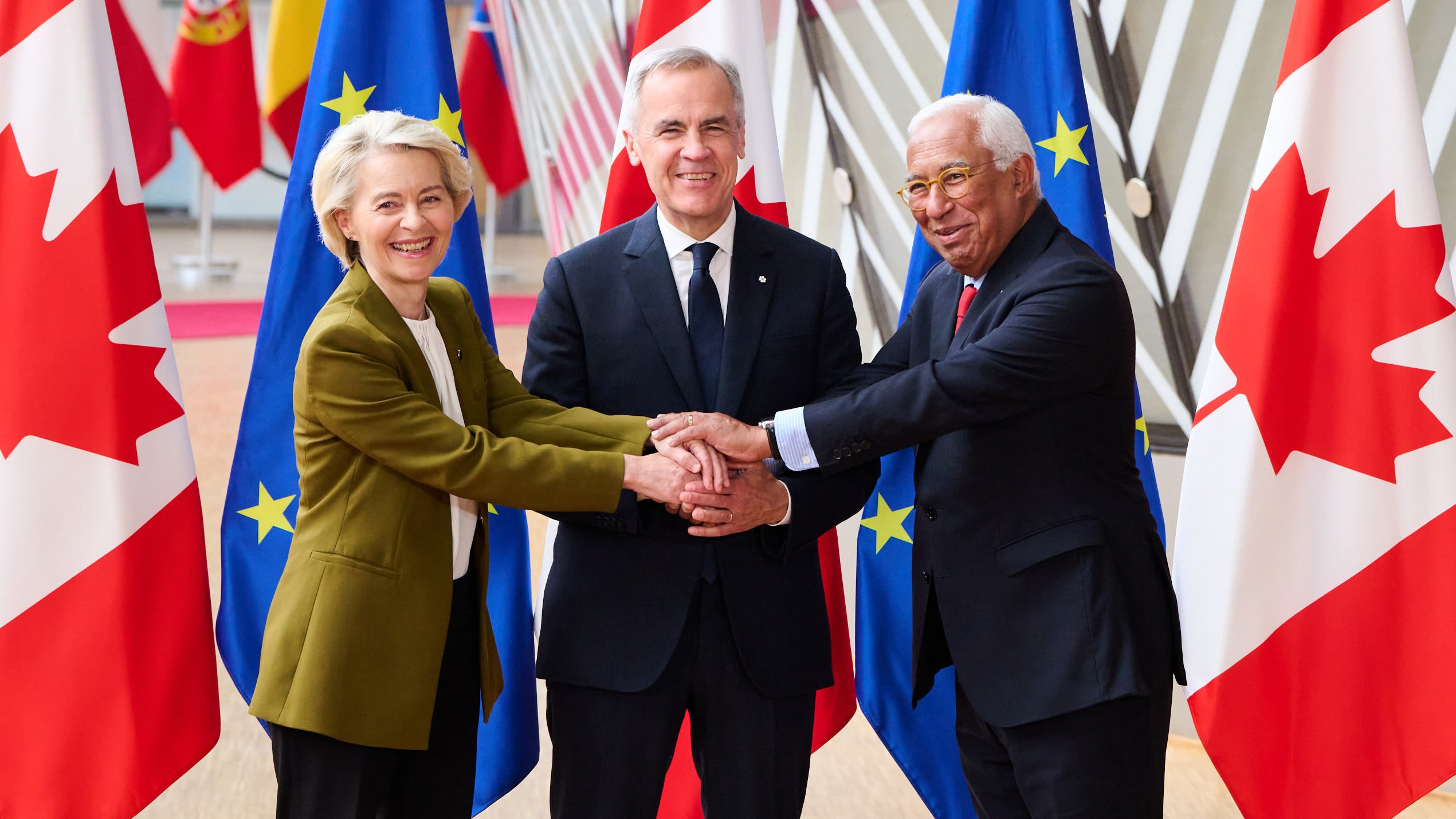
The forthcoming EU–Canada summit in Montréal on 29–30 October brings security, trade, technology, climate and energy into the same conversation. Its proposed alliance for the future gives this approach immediate relevance. Closer partnerships also raise an institutional question for Europe: can the Union make decisions and sustain commitments at the scale its partners need? Turning cooperation into lasting capacity will require political choices within Europe as well. [7]
The attraction of national control
When people feel that the world has become less predictable, the promise of national control has an obvious appeal. It offers a familiar political community and the suggestion that decisions can be brought closer to home. We should understand that appeal if we want to answer it.
But control has to be judged by its practical results. A national veto may give a government the power to stop a European decision while leaving it unable to achieve its own objective. A country can recover a formal freedom to act and discover that it has less influence over the conditions in which it must act.
No European state can stabilise the climate alone. None can independently shape every supply chain on which its economy depends. Common defence capabilities, energy networks and trade rules require cooperation at a scale larger than the nation state. Federalism starts from that practical question: which level of government can actually fulfil the responsibility?
It does not require every decision to move to Brussels. Responsibilities should remain local or national where they can be exercised effectively there. Where the consequences cross borders and the means must be shared, authority and democratic accountability should be shared too.
Security must remain socially sustainable
Europe cannot ask citizens to support a stronger security policy while treating their material insecurity as an inconvenience. Affordable housing, functioning healthcare, reliable public services and a realistic future for young people shape the trust on which democratic decisions depend. They also affect how long a society can sustain difficult commitments.
This is the political meaning of the 4D approach: Defence, Diplomacy, Development and Democracy. Military protection needs diplomatic purpose. Development reduces vulnerabilities. Democracy gives decisions legitimacy and makes errors contestable. A credible European strategy must connect these responsibilities.
 Albert Stulens

Public debt still matters. Borrowing is a claim on future resources, and persistent deficits cannot be resolved simply by renaming expenditure as investment. But the composition and timing of adjustment matter as well. Cutting productive investment or already strained services can damage growth and make reform harder to sustain. A durable approach combines better spending, fair revenue measures and reforms introduced with credible transition periods and protection for vulnerable people. [1]
The argument for common European financing should therefore be precise. Europe should collectively finance projects whose benefits cross borders and whose costs are inefficiently divided between national budgets. That could include joint defence capabilities, electricity interconnections, research, secure communications and climate adaptation. Each project still needs a clear purpose, scrutiny and a realistic account of its future costs.
Common investment needs common responsibility
NextGenerationEU established a precedent for EU borrowing to finance both grants and loans. It was part of a wider pandemic response, and its significance should not be inflated into a claim that one fund alone prevented national collapse. Its design nevertheless showed that European solidarity could take a financial and institutional form. The loans are repaid by the borrowing states; the borrowing financing grants is repaid through the EU budget. Principal repayment is scheduled from 2028 to 2058. [2]
The distinction matters for the next step. A European loan remains a liability for the country receiving it. SAFE already provides up to €150 billion in loans for defence investment, principally through common procurement. It can help participating states finance capabilities, but it does not remove their repayment obligations. [3]
A lasting common investment capacity would need more than additional lending. It would need an agreed mix of EU expenditure, grants and loans, a lawful borrowing mandate where required, and reliable revenue for repayment. National governments would retain responsibility for sustainable national finances. European financing would take on agreed European tasks rather than assume an unlimited responsibility for existing national debts.
The negotiations on the 2028–2034 budget are an opportunity to make those choices explicit. The Commission has proposed almost €2 trillion over seven years. That is a proposal, not an adopted settlement. Its significance will depend on what Europe is expected to deliver, which revenue is agreed, and whether repayment obligations crowd out future investment. [4]
A stronger Europe within a stronger international order
European capacity should support international institutions. The United Nations needs reform; international courts need protection and consistent cooperation. Trade can continue under imperfect institutions, but predictable rules and credible dispute settlement make it less vulnerable to arbitrary coercion. Europe has a direct interest in improving that system.
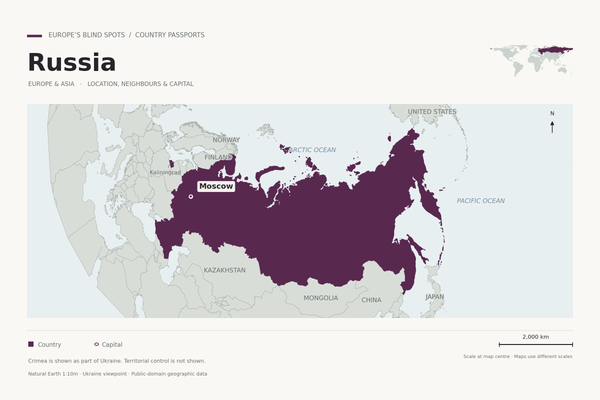
Consistency is part of this responsibility. Condemning Russian aggression cannot make civilian protection or international law optional elsewhere. Equally, criticism of Western policy cannot justify denying Ukrainians their political agency. A country’s economic model does not determine whether its people have a right to resist conquest.
Political programmes should be tested against these standards rather than dismissed through assumptions about their supporters. The decisive questions are whether a proposal protects sovereignty and equal rights, strengthens accountable institutions, and gives people practical means to live more securely. Those questions apply across the political spectrum.
A concrete starting point
Europe could begin with a shared responsibility for keeping essential networks functioning during a crisis. Participating governments could jointly finance and reserve cable-repair capacity, secure backup communications and equipment for restoring electricity links, with agreed response standards and parliamentary scrutiny. Existing European programmes for grids, cable security and satellite communications provide a foundation. [8–11]
The political step would be to give European institutions a dependable budget and clear responsibilities for these agreed common tasks, with a duty for participants to assist. A cyberattack, damaged cable or disrupted power connection should activate arrangements prepared together in advance. Naval protection would require agreed deployment rules and coordination with NATO. This would make European solidarity tangible while creating experience of sharing responsibility for a common service.
Who can make the decision
There is no single leader who can deliver this change. The Commission would have to prepare a workable proposal. The European Council would have to broker a settlement between governments. The European Parliament and national parliaments would have to give it democratic authority. A coalition of states would have to make the political case together.
France and Germany would be essential to a durable settlement, but a bargain negotiated only between them would be inadequate. Poland and other eastern and northern states must shape its security priorities. Italy and Spain must help shape its economic and social terms. Smaller states must have a meaningful voice in its institutions. Ukraine must help define the security arrangements that directly concern its future.
The bargain should be clear: shared resources for specified common responsibilities, with enforceable oversight and credible national commitments. Practical cooperation can advance while a separate process addresses treaty reform. Under the present treaties, the foreign-policy provision for extending majority voting excludes decisions with military or defence implications. That limit cannot be wished away. [5]
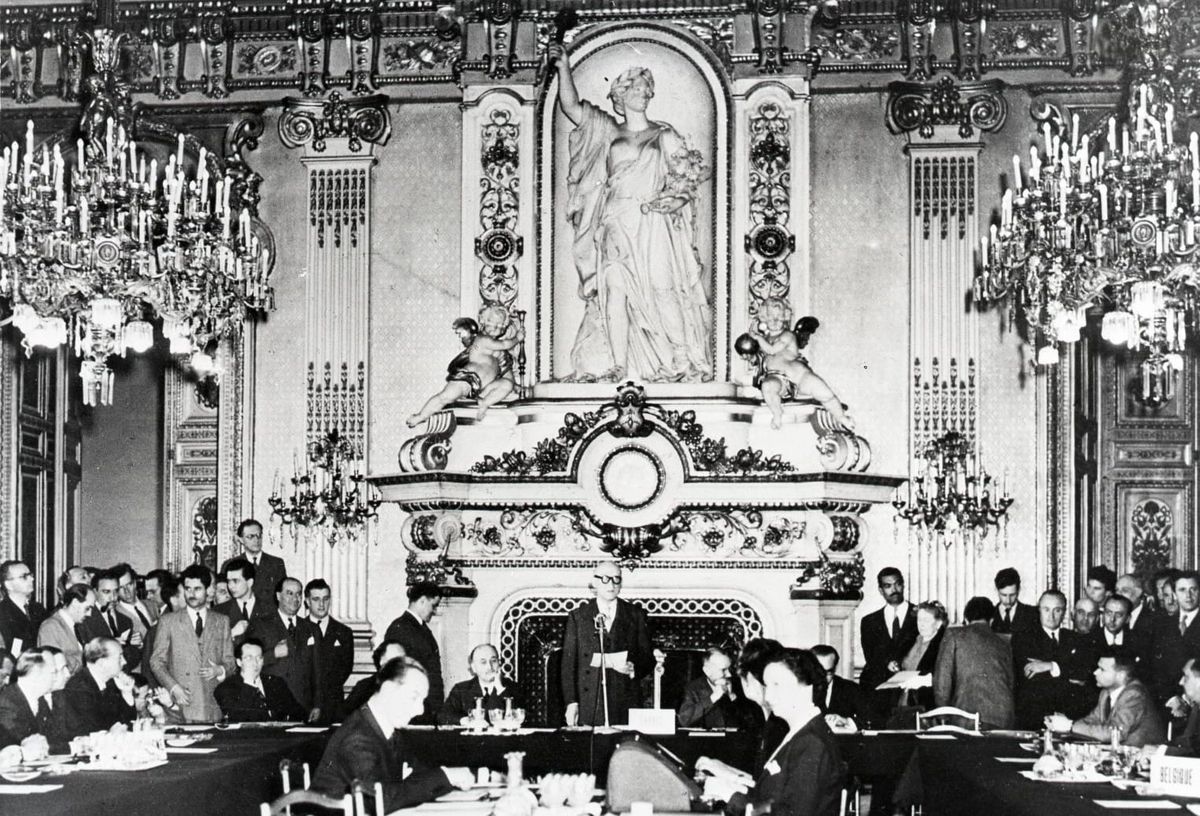
Schuman and Monnet proposed a concrete institutional change in 1950, beginning with coal and steel. They did not wait until every question about Europe’s future had been settled. [6] Our task is to identify a similarly consequential starting point, with responsibilities that citizens can understand and results they can judge.
Europe’s promise must reach beyond a request to endure the next crisis. It should offer a credible future in which solidarity increases our ability to act, democratic participation gives that action legitimacy, and cooperation makes people more secure. That future needs institutions capable of delivering it.
Sources for publication
[1] IMF, Europe’s Fiscal Squeeze, 2026. Medium-term adjustment, growth, revenue and expenditure choices, and protection for vulnerable people. Open source
[2] European Commission, NextGenerationEU. Grants, loans, guarantees and repayment responsibilities. Open source
[3] Council of the EU, SAFE adoption, 27 May 2025. Up to €150 billion in loans repaid by beneficiary states. Open source
[4] European Commission, EU budget 2028–2034. Proposed size, revenue package and adoption requirements. Open source
[5] Treaty on European Union, Article 31. Majority voting exceptions and the exclusion of military or defence decisions. Open source
[6] European Union, Schuman Declaration of 9 May 1950. Open source
[7] Council of the EU, EU–Canada summit, 29–30 October 2026. Date and published agenda. Open source
[8] European Commission, Accelerating and reinforcing IRIS², 7 August 2026. Updated deployment timetable. Open source
[9] European Commission, GOVSATCOM, 26 February 2026. Operations, pooling and authorised access. Open source
[10] European Commission, Cable Security Toolbox and €347 million allocation, 5 February 2026. Open source
[11] European Commission, European Grids Package and Energy Highways. Open source